Real Health Medical Transforming Modern Healthcare
Overview of Real Health Medical
Real health medical represents a progressive approach to healthcare that emphasizes holistic well-being and patient empowerment. This modern paradigm integrates various medical practices to address not just physical ailments but also emotional, psychological, and social factors that contribute to overall health. In a time when chronic diseases and lifestyle-related health issues are rampant, real health medical provides a significant shift towards more comprehensive care.The core principles underpinning real health medical practices include patient-centered care, integrative therapies, and proactive health management.
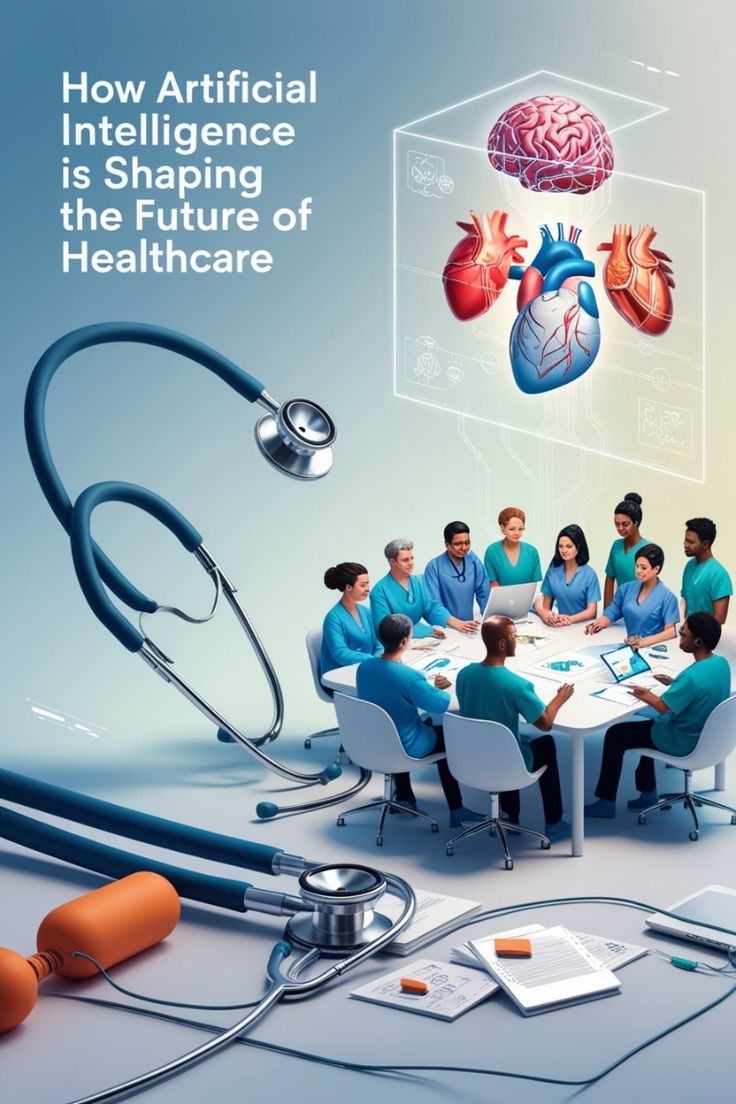
These principles guide practitioners to look beyond the symptoms, focusing instead on the underlying causes of health issues. This approach contrasts sharply with traditional healthcare, which often emphasizes reactive measures and symptom treatment rather than long-term health and wellness.
Services Offered in Real Health Medical
Real health medical encompasses a diverse array of services tailored to meet individual patient needs. These services range from conventional medical treatments to complementary therapies, creating a comprehensive care model.
| Treatment Option | Description | Intended Outcomes |
|---|---|---|
| Holistic Assessments | Comprehensive evaluations addressing physical, emotional, and social health. | Enhanced understanding of patient health and personalized care plans. |
| Nutrition Counseling | Guidance on dietary choices to promote health and prevent disease. | Improved nutritional status and weight management. |
| Mind-Body Practices | Techniques such as yoga and meditation to improve mental health. | Reduction in stress, anxiety, and improvement in emotional well-being. |
In real health medical settings, patient care strategies often include personalized health plans that leverage both traditional and alternative therapies. These strategies aim to foster a sense of partnership between patients and providers, empowering individuals to take an active role in their health journey.
Benefits of Real Health Medical
Choosing real health medical offers numerous benefits that set it apart from conventional methods. Patients typically experience improved health outcomes, increased satisfaction, and a greater sense of control over their health. This model promotes holistic healing, addressing the root causes of illnesses rather than merely alleviating symptoms.Comparative studies have shown that patients engaged in real health medical practices tend to report lower rates of chronic illness and higher levels of wellness compared to those who rely solely on traditional healthcare.
For instance, case studies demonstrate that individuals seeking integrative care have successfully managed conditions such as diabetes and hypertension through lifestyle changes and holistic interventions.
Integrative Approaches in Real Health Medical
Integrative medicine plays a vital role within real health medical frameworks, blending conventional medical treatments with alternative therapies. This approach recognizes the interconnectedness of mind, body, and spirit, aiming for a balanced and comprehensive care model.Common alternative therapies used alongside conventional treatments include:
- Acupuncture – Utilizes fine needles to stimulate specific points on the body for pain relief and improved health.
- Chiropractic Care – Focuses on the diagnosis and manipulation of musculoskeletal disorders to relieve pain and enhance mobility.
- Aromatherapy – Employs essential oils for therapeutic benefits, promoting relaxation and emotional well-being.
Holistic practices are systematically integrated into patient care plans, allowing for personalized treatment strategies that consider all aspects of a patient’s life.
Patient-Centered Care in Real Health Medical
Patient-centered care is a cornerstone of real health medical practice, prioritizing the preferences, needs, and values of patients. This approach fosters a collaborative environment where patients are actively involved in their health decisions.Practitioners employ various methods of assessment and evaluation to tailor health plans for individuals, ensuring that care is relevant and effective. Techniques include comprehensive health histories, lifestyle assessments, and ongoing progress evaluations.Patient feedback is crucial for enhancing real health medical services.
By actively soliciting input from patients, practitioners can continuously refine their approaches and foster a more effective healing environment.
Technology and Innovation in Real Health Medical
Technological advancements are significantly transforming real health medical, facilitating improved patient care through innovative solutions. Digital tools such as telehealth platforms enable remote consultations, making healthcare more accessible.Examples of digital resources that support patient care include:
- Health tracking apps – Allow patients to monitor their health metrics, such as nutrition, exercise, and stress levels.
- Patient portals – Provide secure access to medical records, appointment scheduling, and direct communication with healthcare providers.
- Wearable devices – Help monitor vital signs and detect health issues early, promoting proactive management.
Innovative treatment methods, such as personalized medicine and genomics, are also emerging, allowing for more targeted therapies based on individual genetic profiles.
Challenges and Considerations in Real Health Medical
Despite its benefits, real health medical practitioners face several challenges within the field. Common issues include resistance from traditional medical communities, regulatory hurdles, and the need for continued education and training.Ethical considerations and dilemmas may arise, particularly concerning informed consent and the integration of alternative therapies. Practitioners must navigate these complexities to ensure patient safety and efficacy in treatment.Barriers to patient access and engagement remain significant, particularly for underserved populations.
Addressing these issues requires ongoing advocacy and innovative solutions to ensure equitable access to real health medical services.
Future Trends in Real Health Medical
Emerging trends are shaping the future of real health medical, with a focus on personalized and preventive healthcare. As more patients seek integrative and holistic approaches, healthcare systems are beginning to adapt to these preferences.Predictions for the next decade indicate a growing emphasis on technology-driven healthcare solutions, including:
| Development | Description |
|---|---|
| Telehealth Expansion | Increased use of telehealth services for comprehensive care delivery. |
| Personalized Treatment Plans | Greater focus on tailoring healthcare interventions based on individual genetic and lifestyle factors. |
| Holistic Health Education | Incorporation of holistic health principles into medical training programs. |
As healthcare continues to evolve, real health medical is poised to play a pivotal role in creating a healthier, more balanced society.