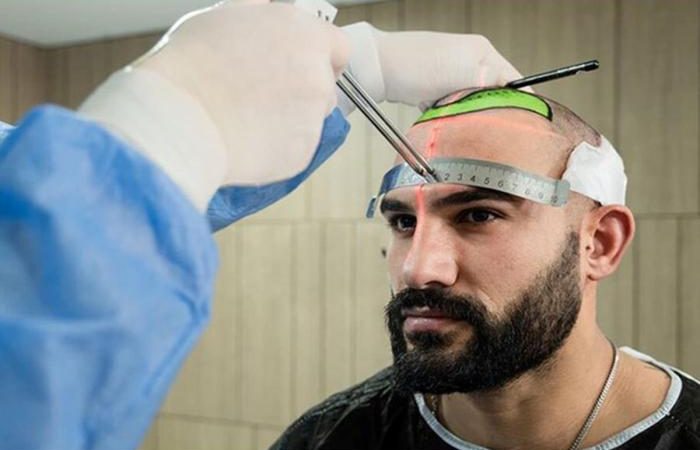
Success rates for hair transplants in Turkey explained
Overview of Hair Transplants in Turkey: Success Rates For Hair Transplants In Turkey
Success rates for hair transplants in Turkey – Turkey has emerged as a leading destination for hair transplant procedures, attracting thousands of international patients every year. The country offers a variety of advanced techniques at competitive prices, making it an appealing choice for those seeking hair restoration. The combination of skilled surgeons, state-of-the-art facilities, and the allure of exploring a vibrant culture contribute to Turkey’s popularity in the cosmetic surgery field.The demand for hair transplants in Turkey stems from several factors.
Firstly, the country has become known for its high-quality medical services and affordable prices, often significantly lower than those in the United States or Europe. Additionally, the seamless blend of tourism and healthcare allows patients to enjoy a transformative experience while visiting a beautiful and historic country.
Success Rates of Hair Transplants
Hair transplant success rates in Turkey are remarkably high, often reported between 85% to 95%. This exceptional performance has positioned Turkish clinics at the forefront of the global hair restoration market. When compared to clinics in other countries, many Turkish facilities outshine their competitors, with success rates that often exceed those found in Western nations due to advanced techniques and rigorous standards.Several factors contribute to the higher success rates observed in Turkish hair transplant clinics.
These include the use of cutting-edge technology, highly trained medical professionals, and adherence to strict health regulations. Moreover, the volume of procedures performed allows surgeons to refine their skills, leading to improved patient outcomes.
Types of Hair Transplant Techniques
Turkey offers a range of hair transplant techniques, with the most prominent being Follicular Unit Extraction (FUE) and Follicular Unit Transplantation (FUT). Each method has its unique processes and effectiveness regarding hair restoration.
- Follicular Unit Extraction (FUE): This minimally invasive technique involves extracting individual hair follicles from the donor area and implanting them into the balding areas. It is known for a quicker recovery time and minimal scarring.
- Follicular Unit Transplantation (FUT): Also known as the strip method, FUT involves removing a strip of scalp from the donor area, which is then dissected into individual grafts. This method can yield a larger number of grafts in one session but may leave a linear scar.
The effectiveness and success rates of these techniques vary, with FUE generally preferred for its natural results and less visible scarring. However, FUT may be more suitable for patients requiring a large number of grafts.
Factors Influencing Success Rates, Success rates for hair transplants in Turkey
Several key factors influence the success of hair transplants. The experience and skill of the surgeon play a pivotal role in achieving favorable outcomes. Surgeons with extensive training and a proven track record tend to deliver better results.Additionally, patient-specific factors such as age, hair type, and overall health significantly impact the success of hair restoration procedures. Younger patients with fine, healthy hair typically experience greater success compared to older individuals or those with underlying health issues.
Patient Experiences and Testimonials
Real patient experiences often highlight the transformative power of hair transplants in Turkey. Many patients report high levels of satisfaction with their results, often sharing their stories through online forums and review platforms.
| Clinic Name | Patient Satisfaction Rate | Average Results |
|---|---|---|
| Clinic A | 90% | Fuller Hair within 6 months |
| Clinic B | 85% | Visible Growth after 4 months |
| Clinic C | 92% | Natural Results within a year |
Common praises from patients revolve around the professionalism of the staff, the quality of care, and the effective results. However, some concerns include post-operative discomfort and the need for patience during the recovery phase.
Cost Comparison of Hair Transplants
The cost of hair transplants in Turkey is significantly lower than in many Western countries, making it an attractive option for patients. On average, the cost of a hair transplant in Turkey ranges from $1,500 to $3,000, depending on the technique and the number of grafts required.Price differences arise from various factors, including clinic reputation, surgeon experience, and the method used.
While lower prices may raise concerns about quality, many Turkish clinics maintain high standards that lead to successful outcomes.
Pre-Operative and Post-Operative Care
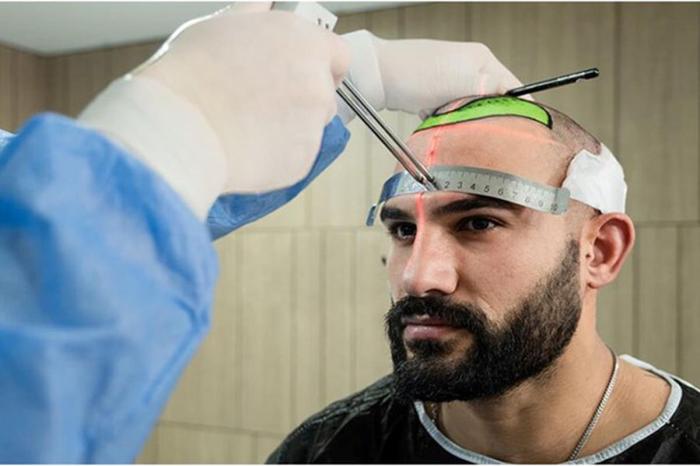
Pre-operative assessments are crucial in ensuring that patients are suitable candidates for hair transplants. Comprehensive evaluations help identify any underlying health issues and establish realistic expectations.Post-operative care significantly influences the success of the procedure. Following the surgery, patients must adhere to specific guidelines to promote healing and hair growth. Here are some essential do’s and don’ts for patients:
- Do: Follow your surgeon’s aftercare instructions carefully.
- Do: Keep the scalp clean and avoid strenuous activities for a few weeks.
- Don’t: Expose the scalp to direct sunlight without protection.
- Don’t: Pick or scratch at the transplanted area.
Future Trends in Hair Transplant Procedures
The hair transplant industry is continually evolving, with upcoming innovations promising to enhance success rates and patient satisfaction. Advances in technology, such as robotic-assisted hair transplants and improved graft preservation techniques, are on the horizon.Predictions suggest that as these advancements become mainstream, success rates could increase even further, potentially reaching above 95%. Additionally, changing patient demographics, with more younger individuals seeking hair restoration, may shift the focus towards less invasive and more effective solutions tailored to individual needs.