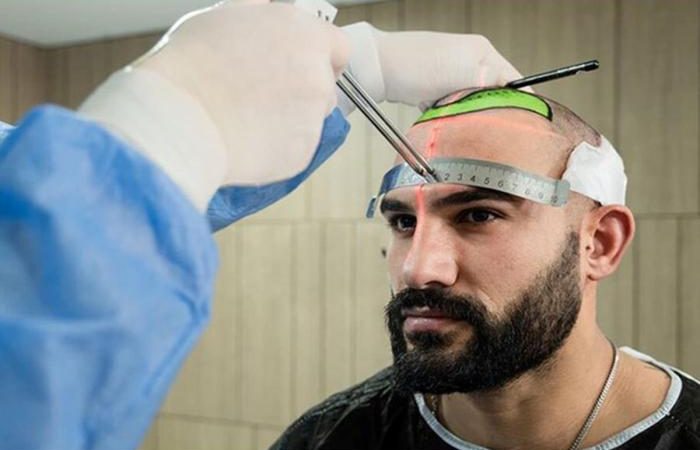
Success rates for hair transplants in Turkey

admin / June 2, 2025

Success rates for hair transplants in Turkey explained

Overview of Hair Transplants in Turkey: Success Rates For Hair Transplants In Turkey

Success rates for hair transplants in Turkey – Turkey has emerged as a leading destination for hair transplant procedures, attracting thousands of international patients every year. The country offers a variety of advanced techniques at competitive prices, making it an appealing choice for those seeking hair restoration. The combination of skilled surgeons, state-of-the-art facilities, and the allure of exploring a vibrant culture contribute to Turkey’s popularity in the cosmetic surgery field.The demand for hair transplants in Turkey stems from several factors.

Firstly, the country has become known for its high-quality medical services and affordable prices, often significantly lower than those in the United States or Europe. Additionally, the seamless blend of tourism and healthcare allows patients to enjoy a transformative experience while visiting a beautiful and historic country.

Success Rates of Hair Transplants

Hair transplant success rates in Turkey are remarkably high, often reported between 85% to 95%. This exceptional performance has positioned Turkish clinics at the forefront of the global hair restoration market. When compared to clinics in other countries, many Turkish facilities outshine their competitors, with success rates that often exceed those found in Western nations due to advanced techniques and rigorous standards.Several factors contribute to the higher success rates observed in Turkish hair transplant clinics.

These include the use of cutting-edge technology, highly trained medical professionals, and adherence to strict health regulations. Moreover, the volume of procedures performed allows surgeons to refine their skills, leading to improved patient outcomes.

Types of Hair Transplant Techniques

Turkey offers a range of hair transplant techniques, with the most prominent being Follicular Unit Extraction (FUE) and Follicular Unit Transplantation (FUT). Each method has its unique processes and effectiveness regarding hair restoration.

  • Follicular Unit Extraction (FUE): This minimally invasive technique involves extracting individual hair follicles from the donor area and implanting them into the balding areas. It is known for a quicker recovery time and minimal scarring.
  • Follicular Unit Transplantation (FUT): Also known as the strip method, FUT involves removing a strip of scalp from the donor area, which is then dissected into individual grafts. This method can yield a larger number of grafts in one session but may leave a linear scar.

The effectiveness and success rates of these techniques vary, with FUE generally preferred for its natural results and less visible scarring. However, FUT may be more suitable for patients requiring a large number of grafts.

Factors Influencing Success Rates, Success rates for hair transplants in Turkey

Several key factors influence the success of hair transplants. The experience and skill of the surgeon play a pivotal role in achieving favorable outcomes. Surgeons with extensive training and a proven track record tend to deliver better results.Additionally, patient-specific factors such as age, hair type, and overall health significantly impact the success of hair restoration procedures. Younger patients with fine, healthy hair typically experience greater success compared to older individuals or those with underlying health issues.

Patient Experiences and Testimonials

Real patient experiences often highlight the transformative power of hair transplants in Turkey. Many patients report high levels of satisfaction with their results, often sharing their stories through online forums and review platforms.

Clinic Name Patient Satisfaction Rate Average Results
Clinic A 90% Fuller Hair within 6 months
Clinic B 85% Visible Growth after 4 months
Clinic C 92% Natural Results within a year

Common praises from patients revolve around the professionalism of the staff, the quality of care, and the effective results. However, some concerns include post-operative discomfort and the need for patience during the recovery phase.

Cost Comparison of Hair Transplants

The cost of hair transplants in Turkey is significantly lower than in many Western countries, making it an attractive option for patients. On average, the cost of a hair transplant in Turkey ranges from $1,500 to $3,000, depending on the technique and the number of grafts required.Price differences arise from various factors, including clinic reputation, surgeon experience, and the method used.

While lower prices may raise concerns about quality, many Turkish clinics maintain high standards that lead to successful outcomes.

Pre-Operative and Post-Operative Care
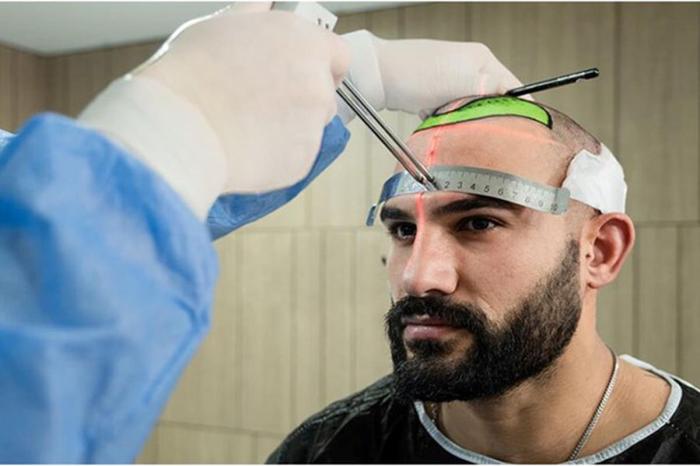
Success rates for hair transplants in Turkey

Pre-operative assessments are crucial in ensuring that patients are suitable candidates for hair transplants. Comprehensive evaluations help identify any underlying health issues and establish realistic expectations.Post-operative care significantly influences the success of the procedure. Following the surgery, patients must adhere to specific guidelines to promote healing and hair growth. Here are some essential do’s and don’ts for patients:

  • Do: Follow your surgeon’s aftercare instructions carefully.
  • Do: Keep the scalp clean and avoid strenuous activities for a few weeks.
  • Don’t: Expose the scalp to direct sunlight without protection.
  • Don’t: Pick or scratch at the transplanted area.

Future Trends in Hair Transplant Procedures

The hair transplant industry is continually evolving, with upcoming innovations promising to enhance success rates and patient satisfaction. Advances in technology, such as robotic-assisted hair transplants and improved graft preservation techniques, are on the horizon.Predictions suggest that as these advancements become mainstream, success rates could increase even further, potentially reaching above 95%. Additionally, changing patient demographics, with more younger individuals seeking hair restoration, may shift the focus towards less invasive and more effective solutions tailored to individual needs.


What to expect during a hair transplant in Turkey

admin / May 27, 2025

What to expect during a hair transplant in Turkey

Introduction to Hair Transplant in Turkey: What To Expect During A Hair Transplant In Turkey

What to expect during a hair transplant in Turkey – Turkey has emerged as a leading destination for hair transplant procedures, attracting thousands of individuals seeking effective and affordable solutions for hair loss. The country’s reputation for high-quality healthcare, combined with competitive pricing, has made it a popular choice for medical tourists. Factors such as advanced technology, skilled surgeons, and a growing number of specialized clinics contribute to Turkey’s standing in the hair restoration industry.The increasing demand for hair transplant procedures in Turkey is linked to several key reasons.

Firstly, the affordability of treatments compared to Western countries makes it an attractive option. Additionally, the expertise of Turkish surgeons, many of whom have trained internationally, plays a crucial role in why individuals choose Turkey for their hair restoration needs. The proliferation of clinics that offer comprehensive packages, including accommodation and aftercare, further enhances the appeal.

Initial Consultation Process

The initial consultation is a critical step in the hair transplant journey, ensuring that patients have all necessary information before proceeding with the procedure. During this meeting, patients can expect to discuss their hair loss concerns, medical history, and desired outcomes with the surgeon. A thorough examination of the scalp is typically conducted to evaluate the extent of hair loss and to determine the most suitable treatment plan.

The surgeon will then create a personalized treatment plan tailored to the individual’s needs, taking into consideration factors such as hair type, donor area availability, and overall health.

Types of Hair Transplant Techniques

In Turkey, several hair transplant techniques are available, each with its own benefits and drawbacks. The two most commonly used methods are Follicular Unit Extraction (FUE) and Follicular Unit Transplantation (FUT).

  • Follicular Unit Extraction (FUE): This technique involves extracting individual hair follicles from the donor area and transplanting them to the balding area. The main advantages of FUE are minimal scarring and quicker recovery times. It is ideal for patients seeking a less invasive procedure.
  • Follicular Unit Transplantation (FUT): This method involves removing a strip of skin from the donor area, from which hair follicles are harvested. While FUT can yield a higher number of grafts in one session, it typically results in a linear scar. This technique is beneficial for patients with extensive hair loss requiring a larger number of grafts.

Pre-Operative Preparations

Before the hair transplant procedure, patients need to undertake certain preparations to ensure optimal results. This includes avoiding specific medications and supplements that could increase the risk of bleeding or affect anesthesia. Common medications to avoid include blood thinners like aspirin and certain herbal supplements.Mentally preparing for the procedure is equally important. Patients should have realistic expectations regarding the outcomes and understand the recovery process.

Engaging in discussions with the surgeon about what to anticipate can provide reassurance and help alleviate any anxiety.

The Hair Transplant Procedure

The hair transplant procedure itself typically lasts several hours, depending on the number of grafts being transplanted. Initially, the surgeon administers local anesthesia to ensure patient comfort throughout the process. The actual procedure begins with the extraction of hair follicles, followed by the careful implantation of these follicles into the recipient area. Surgeons utilize specialized tools to ensure precision during this phase, which is essential for achieving a natural appearance.

Post-Operative Care and Recovery

After the procedure, patients are provided with detailed instructions for post-operative care. This may include taking prescribed medications to manage pain and prevent infection. It’s crucial for patients to follow these guidelines closely to promote healing.Patients should be aware of signs of complications, such as excessive bleeding or signs of infection. A recovery timeline typically spans several weeks; however, initial results may start to be visible within a few months.

Full results can take up to a year, as new hair growth continues to develop.

Costs and Financial Considerations

What to expect during a hair transplant in Turkey

When considering hair transplants in Turkey, the cost structure is significantly lower than in many Western countries. The price often includes consultation, the procedure itself, post-operative care, and sometimes even accommodation and transportation.Patients should be aware of what is typically included in a hair transplant package. Financing options and payment plans are also available at many clinics, making the process more accessible for patients seeking treatment.

Patient Testimonials and Success Stories

Numerous individuals have shared their positive experiences after undergoing hair transplants in Turkey. Before-and-after images reveal significant transformations, showcasing the effectiveness of the procedures. Many patients express high satisfaction rates, emphasizing the professionalism of surgeons and the quality of care received throughout their journey.

Choosing the Right Clinic and Surgeon, What to expect during a hair transplant in Turkey

Selecting the right clinic and surgeon is paramount for a successful hair transplant experience. Patients should consider factors such as the clinic’s accreditation, the surgeon’s qualifications, and their experience in performing hair transplants.A checklist for evaluating clinics can include:

  • Researching the clinic’s accreditation and certifications.
  • Reviewing surgeon qualifications, including education and experience.
  • Checking patient reviews and testimonials for insights on past performance.
  • Assessing the clinic’s aftercare services and support.

Future of Hair Transplants in Turkey

As technology evolves, so do hair transplant methods, with Turkey poised to remain at the forefront. Emerging trends include the use of robotic-assisted hair transplant systems and advancements in non-surgical treatments. The growth of medical tourism is likely to continue influencing the hair transplant industry in Turkey, as more individuals from around the globe seek quality care and successful outcomes at competitive prices.

Recovery time after hair transplant in Turkey

admin / May 21, 2025

Recovery time after hair transplant in Turkey

Overview of Hair Transplant Recovery

Recovery time after hair transplant in Turkey – The recovery process after a hair transplant is crucial for achieving the desired results. Patients often experience a range of stages during their recovery, each with its own characteristics and timeline. Understanding these stages helps set realistic expectations for post-operative care and hair growth outcomes. The recovery journey can vary significantly depending on the technique used, such as Follicular Unit Extraction (FUE) or Follicular Unit Transplantation (FUT).

Stages of Recovery

Recovery after a hair transplant generally consists of several key stages:

  • Initial Healing (Day 1-7): The first week is characterized by swelling and redness around the transplant area. Patients may experience some discomfort, but it usually subsides within a few days.
  • Scab Formation (Week 1-2): Scabs will begin to form around the transplanted follicles. It’s essential to avoid picking at these scabs to prevent infection and promote proper healing.
  • Shedding Phase (Week 3-4): Many patients notice the newly transplanted hairs shedding, which is a normal part of the cycle. This can be alarming, but it’s completely expected.
  • New Hair Growth (Month 3-6): By this time, new hair starts to grow, and patients can expect to see a significant change in their appearance.
  • Full Results (6-12 Months): The final results are typically visible after 6 to 12 months, with the hair reaching its full density and length.

Technique Impact on Recovery

The recovery process may differ based on the hair transplant technique. FUE tends to have a shorter recovery time compared to FUT, as it involves less invasive methods and fewer linear scars. Patients undergoing FUE may experience less post-operative pain and a quicker return to normal activities.

Immediate Post-Operative Care

Post-operative care is vital for ensuring a smooth recovery and the success of the hair transplant. Patients should adhere to specific guidelines to promote healing.

Essential Post-Operative Checklist

Here is a checklist for essential actions to take immediately after the procedure:

  • Keep the head elevated for at least 48 hours to minimize swelling.
  • Avoid touching or scratching the transplant area to reduce the risk of infection.
  • Use prescribed medications, such as pain relievers and antibiotics, as directed by the surgeon.
  • Wear a loose-fitting hat or scarf to protect the scalp from sun exposure and dust.
  • Follow dietary recommendations to support healing, including hydration and avoiding alcohol.

Common Side Effects and Management

Common side effects after a hair transplant include swelling, bruising, itching, and mild discomfort. Patients can manage these symptoms through recommended pain relief medications and by applying cold compresses to the affected areas. It’s essential to follow the doctor’s advice during the first few days to ensure proper healing.

Timeline of Recovery Phases

Understanding the recovery timeline helps patients set expectations for their hair growth journey after a transplant.

Recovery Timeline, Recovery time after hair transplant in Turkey

The recovery phases can be broken down as follows:

Time Frame Patient Expectations
First Week Swelling and redness; mild discomfort; initial healing.
Weeks 1-2 Scab formation; it’s crucial not to disturb scabs.
Weeks 3-4 Shedding of transplanted hair; normal part of growth cycle.
Months 3-6 New hair growth starts becoming visible.
6-12 Months Full results become evident; hair reaches final density and length.

Patience During Recovery

Patience plays a significant role in the recovery process. Hair growth varies from person to person, and some individuals may experience a slower onset of visible results. Understanding this timeline helps manage expectations and reduces anxiety during the waiting period.

Factors Influencing Recovery Time

Several factors can affect the recovery time after a hair transplant, influencing how quickly patients see results.

Factors Affecting Recovery

Key factors that can influence recovery include:

  • Age: Younger patients often experience faster healing due to better overall health and vitality.
  • Health Conditions: Pre-existing health conditions, such as diabetes or autoimmune disorders, can slow the healing process.
  • Lifestyle Choices: Smoking, poor diet, and lack of exercise can negatively impact recovery speed.
  • Technique Used: As mentioned, FUE generally allows for quicker recovery than FUT due to its minimally invasive nature.
  • Hair Type: Different hair types may respond differently to transplant techniques, affecting growth speed and recovery.

Activities to Avoid During Recovery: Recovery Time After Hair Transplant In Turkey

Certain activities can hinder the recovery process and should be avoided to ensure optimal results.

Activities to Avoid

Avoid the following activities during the recovery period:

  • Strenuous exercise or heavy lifting, as it can lead to increased swelling.
  • Swimming in pools or hot tubs to prevent infection.
  • Direct sun exposure; always wear a hat when outdoors.
  • Using hair products, such as gels or sprays, for at least two weeks post-surgery.
  • Engaging in activities that involve bending or straining the neck.

Staying Active Without Compromising Recovery

While avoiding strenuous activities is essential, patients can engage in light walking or gentle stretching to promote circulation without compromising their recovery.

Importance of Follow-Up Appointments

Follow-up appointments are an integral part of the hair transplant recovery process, allowing for monitoring and adjustments as needed.

Role of Follow-Up Appointments

Follow-up visits help ensure a successful recovery by allowing the surgeon to assess healing progress and address any concerns. During these appointments, patients should expect:

  • Assessment of the scalp and hair growth progress.
  • Discussion of any side effects or complications that may have arisen.
  • Guidance on ongoing care and maintenance of the transplanted hair.

Key Questions for Doctors

Patients should consider asking their doctors the following questions during follow-up appointments:

  • What is the expected timeline for my hair growth?
  • Are there any signs of complications I should watch for?
  • What should my hair care routine include moving forward?

Long-Term Care After Recovery

Maintaining healthy hair after recovery is essential for preserving the results of a hair transplant.

Best Practices for Hair Maintenance

Adopting a suitable hair care routine is vital post-recovery:

  • Use a gentle, sulfate-free shampoo to maintain scalp health.
  • Incorporate regular scalp massages to promote circulation.
  • Stay hydrated and maintain a balanced diet rich in vitamins and minerals.
  • Consider using products specifically formulated for hair growth and health.

Products for Hair Health

After recovery, patients may benefit from products that promote hair health, such as:

  • Minoxidil (Rogaine) for stimulating hair growth.
  • Biotin supplements to improve hair strength and thickness.
  • Essential oils, like rosemary or peppermint, which are known for their potential benefits in promoting hair growth.

Patient Testimonials and Experiences

Recovery time after hair transplant in Turkey

Listening to real-life patient stories can provide valuable insights into the hair transplant recovery process.

Insights from Patient Experiences

Many patients share common themes in their recovery journeys, including:

  • The importance of following post-operative care instructions for optimal results.
  • Patience is key; most report that results substantially improve after several months.
  • Engagement with their healthcare provider made a significant difference in their reassurance and recovery.

Learning from Each Other

Patients can greatly benefit from sharing their experiences, providing support and encouragement as they navigate their recovery journeys together.

admin / January 9, 2025

The Science Behind Hair Transplants: How Specialists Make It Work

Hair transplant surgery is a highly advanced procedure that requires both artistic skill and scientific knowledge. In this article, we’ll break down the biological principles behind hair transplants and explain how hair transplant specialists make the process work for a successful result.

Understanding Hair Growth and Loss

To appreciate how a hair transplant works, it’s essential to understand the biology of hair growth. Hair follicles have three main stages:

  • Growth Phase (Anagen): This is when the hair grows actively.
  • Resting Phase (Telogen): The hair stops growing but remains in the follicle.
  • Shed Phase (Catagen): The hair falls out as a new follicle starts growing.

How Hair Transplants Work

During a hair transplant, the specialist uses healthy hair follicles from areas of the scalp that are not affected by hair loss, typically the back or sides of the head. These follicles are then transplanted into thinning or bald areas.

The FUE and FUT Methods

There are two primary techniques used by hair transplant specialists:

  • Follicular Unit Extraction (FUE): Individual follicles are removed and transplanted, leaving minimal scarring.
  • Follicular Unit Transplantation (FUT): A strip of scalp is removed and divided into individual grafts for transplantation.

Why Hair Transplants Work

Hair transplant specialists understand the biology of hair follicles and know how to move them in a way that promotes long-term hair regrowth. By transplanting healthy follicles into areas of thinning hair, they encourage new, permanent hair growth.

Conclusion

Hair transplant surgery is an effective, science-backed solution for hair loss. With the right expertise from a qualified hair transplant specialist, you can restore your hair and enjoy natural-looking results.